When we are actively involved in making something — physically or mentally — we tend to value it more. We also value it more than objective observers would do.


Fundraising and the Brain: In fundraising, it’s easy to focus on logic such as stats, costs and outcomes but giving is emotional. And behind that emotion? Brain chemistry. To succeed you may need to become a Donor Drug Dealer or Philanthropic Pharmacist, arranging experiences for prospects to turn them. into committed supporters.
Meet the DOSE chemicals: Dopamine, Oxytocin, Serotonin, and Endorphins. These feel-good neurochemicals influence how people feel before, during, and after they give. Smart fundraisers know how to tap into each one.
Dopamine is triggered by anticipation of reward. It fuels the “I’m going to something good!” feeling.
Fundraising tip: Show donors the immediate impact their gift will make: “Your donation will send a comfort kit to a child by tomorrow.”
You’re giving them the joy of expecting to do good.
Oxytocin flows when we feel connection, trust, and compassion.
Fundraising tip: Tell personal, emotional stories. Share the face of a child, the voice of a parent, the hug between a nurse and a family. Eyes are especially important.
Oxytocin helps donors feel emotionally bonded to the cause and the people you’re helping — like they’re helping someone they truly care about.
Serotonin boosts feelings of pride, status, and social belonging.
Fundraising tip: Make your donor feel like a valued part of a community. Use phrases like:
“You’re one of the 100 supporters helping families today.” “Thank you for being a special Charity Champion — I was to recognise you for your monthly support.”
This taps into identity and social validation.
Endorphins are triggered by pleasure, laughter, or relief. (Think of the surge you get when you’re doing the last mile of the marathon.)
Fundraising tip: Add moments of lightness or joy even in serious causes. Share a child’s smile, a parent’s thank-you, a moment of laughter at hospice playgroup. Acknowledge the sacrifice of the gift.
It reminds donors that their gift brings hope and relief from stress, not just help.

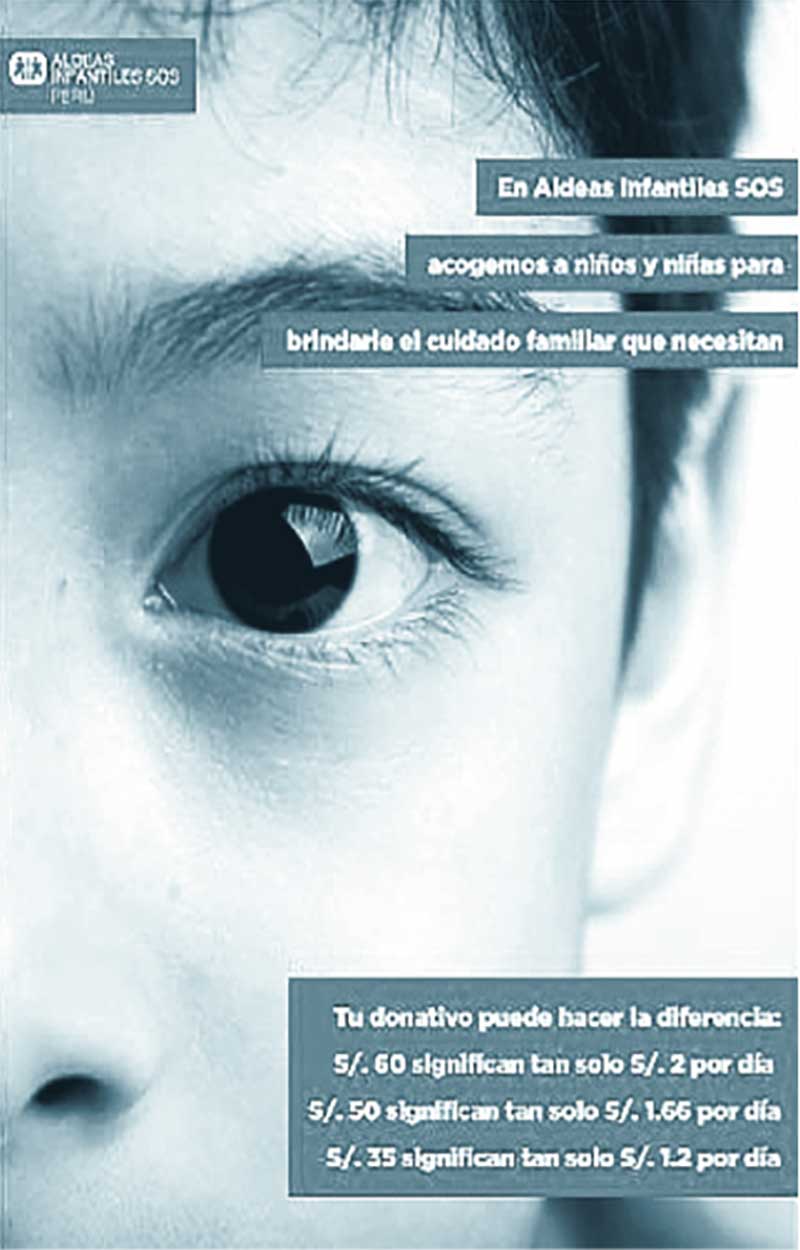
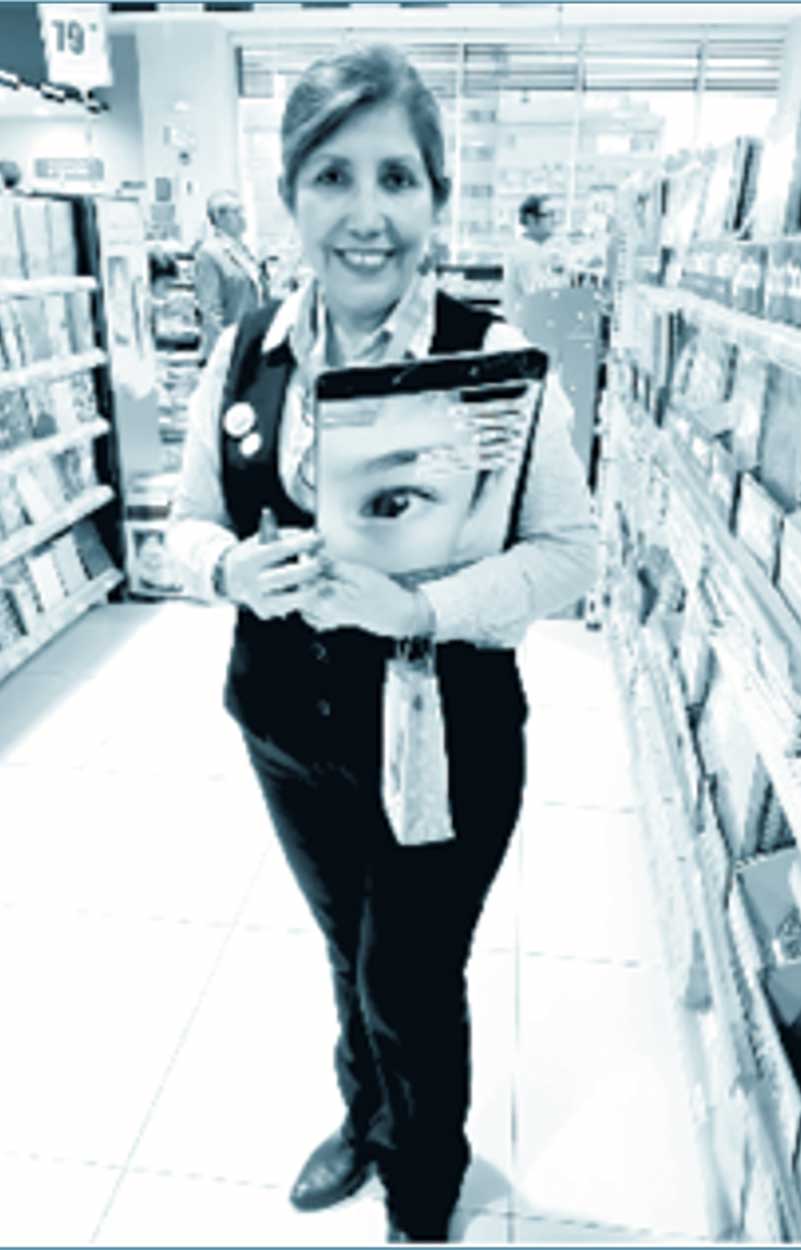
 The clever Marcelo Iniarra and his team carried out a number of experiments face to face and online for SOS Children Villages in South America. You can read about these experiments in the book Change for Better. The actual photos below show the difference between the anchored and un-anchored collateral. Note also the image of the child with a very large pupil. The purpose of this is to help stimulate Oxytocin, the empathy drug. See DOSE (card 24).
Large pupils drive an autonomic response in humans. Babies attract attention and affection by the relative size of their eyes. Consider Disney characters from Mickey Mouse to Elsa. These characters have large eyes and pupils. This design feature helps create Oxytocin and encourage empathy.
Note a version of this this article which appears in Anchoring (Card 4).