
Below is a quick guide to the science underpinning the deck and website. Plus your chance to meet the ‘scientists’ who developed the project.
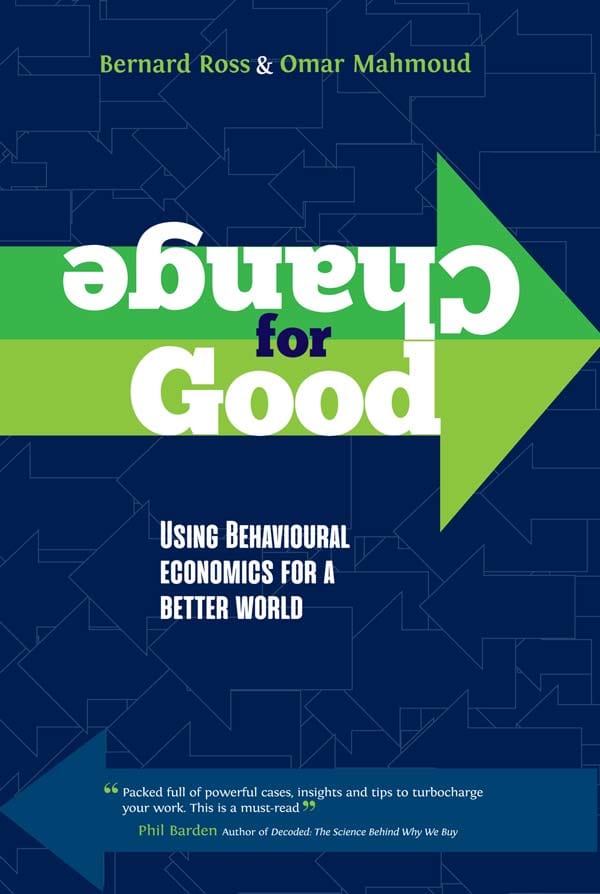
Download a summary of the original breakthrough book that has inspired activists and fundraisers globally to adopt decision science as their methodology for engaging supporters.
Reality tells us that this is not the case. Instead, we often make decisions and choices that can be characterised as predictably irrational – that is not rational, but at the same time not random. Instead our rationality is bounded and based on a number of unconscious biases, useful recognition patterns or fast choice frameworks. Collectively these are called heuristics. Most of these heuristics have a useful purpose and are designed to help us make speedy effective choices. But they can have unintended consequences.
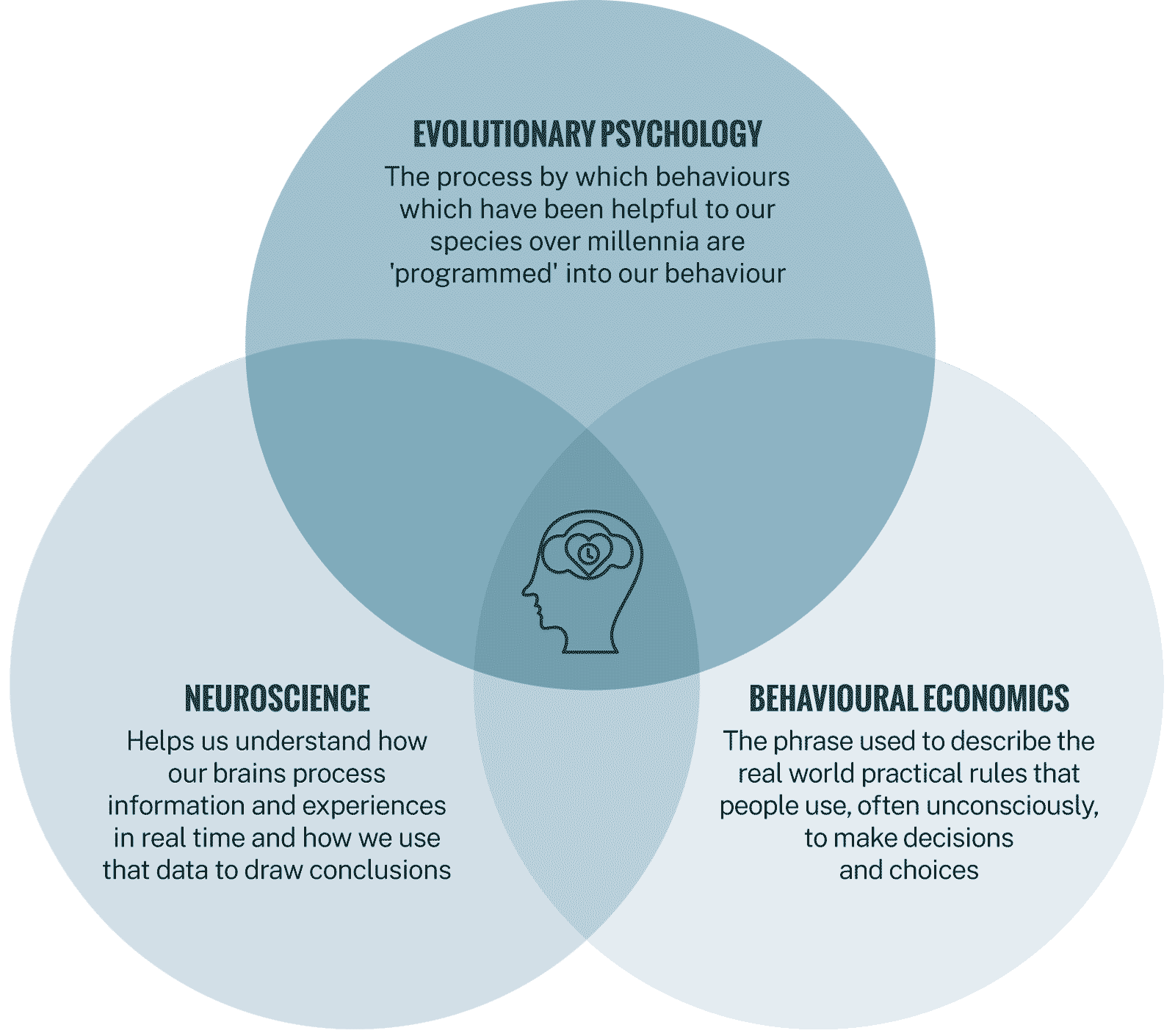
The discipline we call decision science draws on three areas:
We’ll also look at the model, developed by Daniel Kahneman, Nobel prize winner, suggesting that we have two mental systems we use to make decisions: System 1 is fast, subconscious, intuitive, and emotional: auto-pilot. System 2 is slow, conscious, reflective, and rational: pilot. Most of the time we use System 1 to make decisions. System 2 checks those decisions, usually endorses them, and on rare occasions modifies or stops them.
Director of =mc consulting
UK

Director of =mc consulting
UK
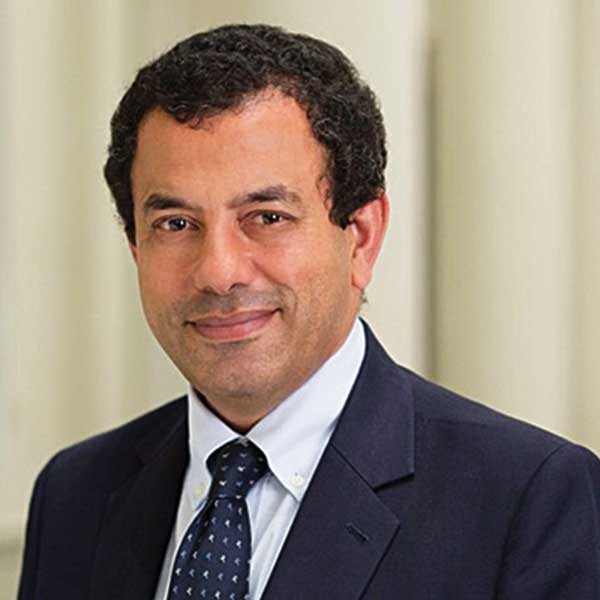
formerly Global Head Insight, UNICEF International Switzerland
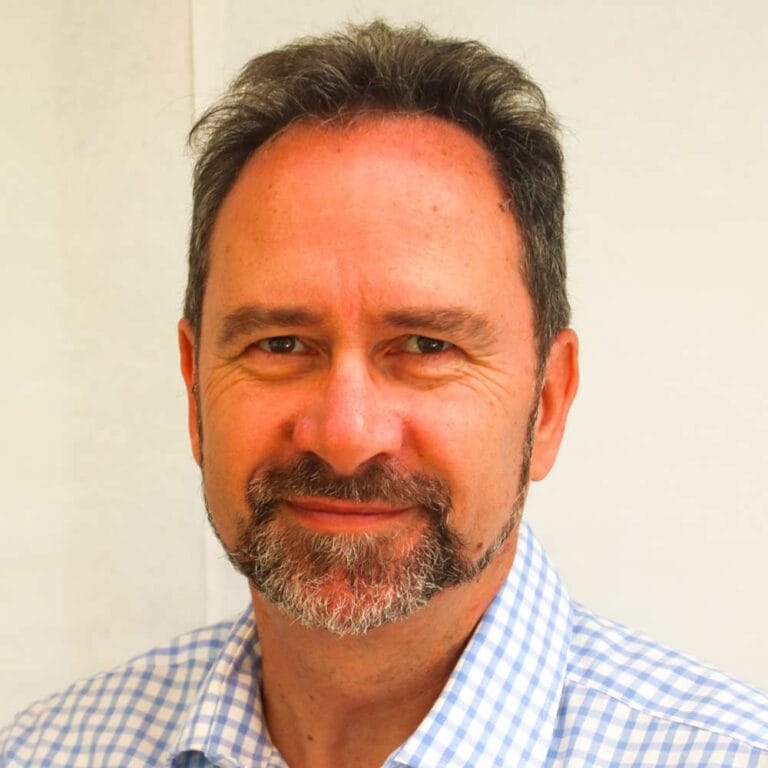
CEO, More Strategic
Australia
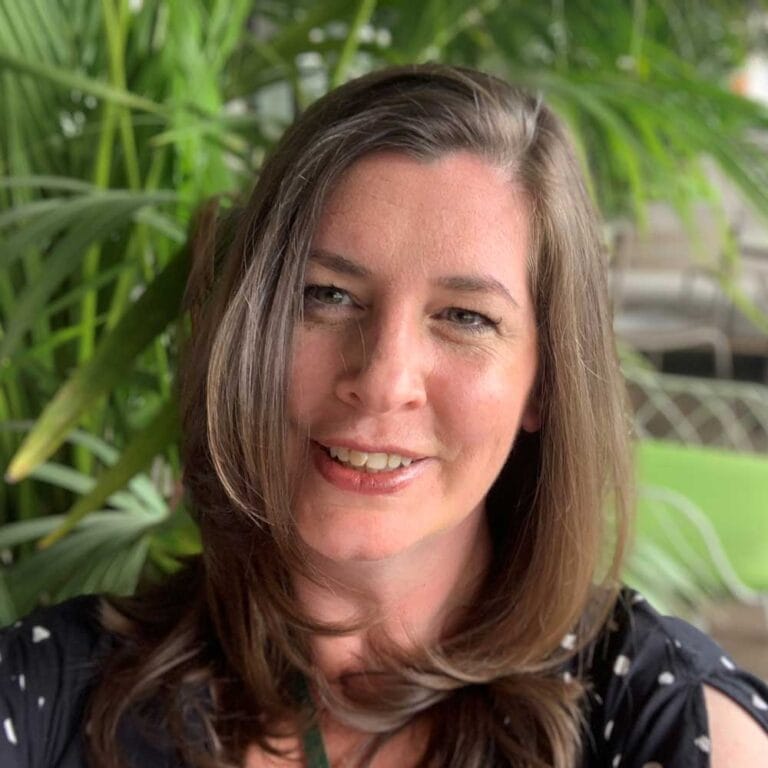
Executive Director of Development and Public Affairs, English National Opera UK

Director of Development,
Oxfam USA