
How the same information or choice is presented influences our perceptions, attitudes, and decisions. We need to reframe well-known information to change choices.


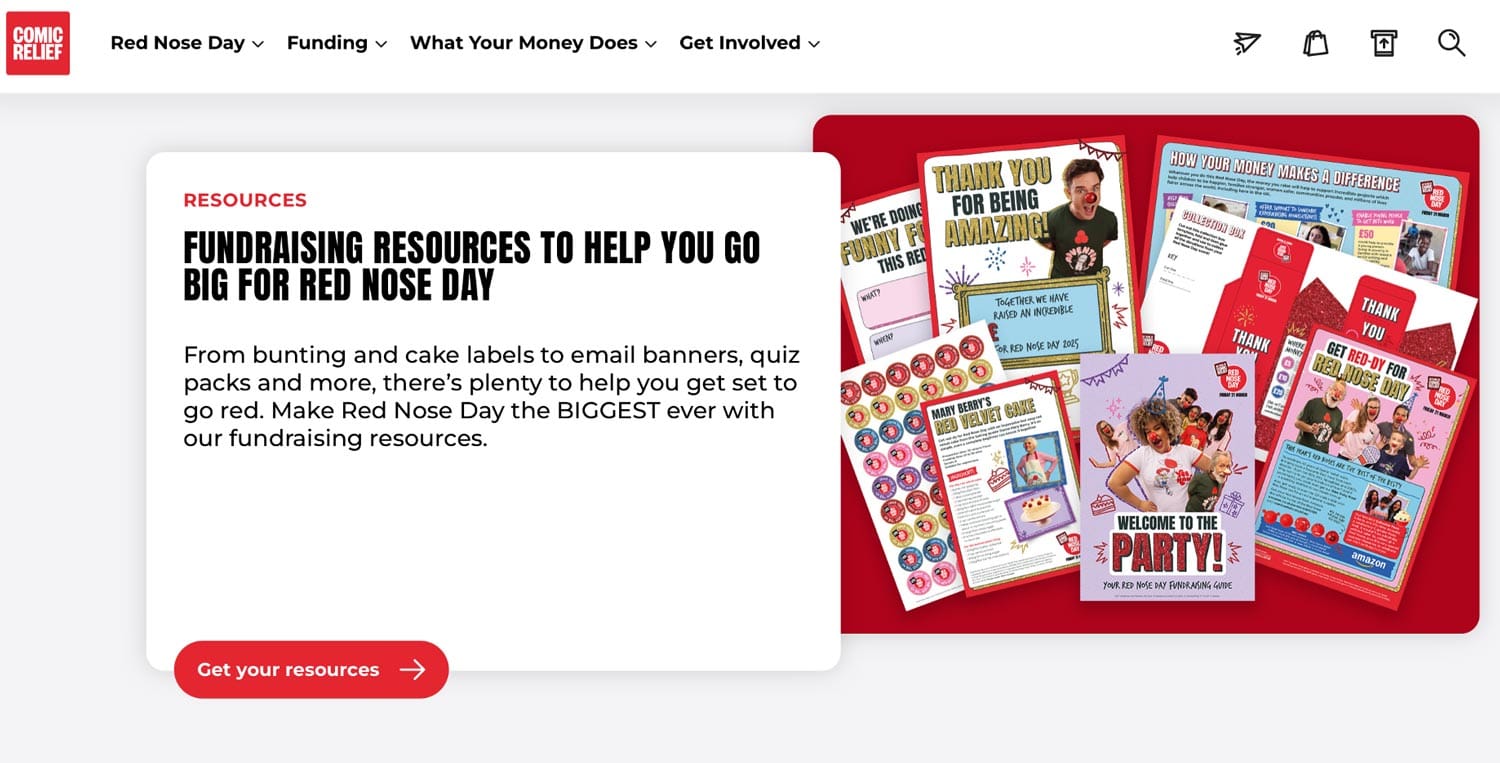
The UK charity Comic Relief raises significant sums through community run and organised events. When you register with them you can be sent package of fundraising materials to help you organise your own event.
The IKEA Effect was first coined in 2011 by behavioural economists Michael Norton, Daniel Mochon, and Dan Ariely. Their research explored why people often overvalue things they’ve helped to create, even if the end product isn’t perfect.
In one of their key experiments, participants were asked to assemble simple IKEA furniture. Afterwards, these DIY-ers valued their self-built items more highly than identical ones assembled by someone else. The researchers replicated this effect with other tasks too such as folding origami or building Lego models. In each case, people were willing to pay more for what they had made, even when others rated the results as less impressive.
This phenomenon taps into a few behavioural drivers:
In short, when we put effort into something we don’t just build the object, we build a personal connection to it. And that insight has big implications for fundraising, product design, education, and beyond.
The =mc consulting team decided to test the actual value of the IKEA Effect heuristic through a simple experiment: the Cakes for Charity experiment.
In this experiment we decided to measure first the value individuals would put on a cake they decorated against a cake one of their colleagues decorated. This was then compared with the price they would pay for professionally made cakes. Finally, an independent ‘judge’ was brought in to price the personal and professional cakes.
We gathered together a group of 10 individuals and they were told they would have to decorate a plain pre-made cake to be sold for charity in an office bake sale. Each individual was given a plain cake and a range of cake decorating items including sugar beads, sprinkles, icing, etc. Each individual was asked to decorate their cake personally.
After everyone had finished decorating their cake they were asked to put a price on their product for the sale: how much they thought it was worth. This price was written on a post-it note beside their cake and then hidden from sight. They were also asked to anonymously put a price on the cakes of their colleagues and the commercial cakes.
Every individual of the ten placed a higher value on their own cake than those made by others. The difference between their estimate of their own cake’s value and that of their colleagues was almost 60%.
We then asked three independent ‘judges’ who had not been involved in any of the manufacture (but who liked cakes!) to allocate how much they’d be prepared to pay for each of the cakes, whether they be commercial or amateur. Here’s a summary of the findings:


