Description

What we see or hear when making a choice — especially a number — affects our judgement on any related decision we have to make subsequently.

Implication

Anchors work best when it’s not possible to measure what an objectively ‘good’ result is. When people have no clue about how much it costs to save a life or how much is appropriate to donate, any figure people are made aware of acts as a helpful clue to the answer they choose. This saves cognitive effort.

Case Studies

Doctors Without Borders

Doctors Without Borders set up face-to-face fundraising stations next to NYC street signs with the street number visible. The number influenced the gift size from those agreeing to donate. The experiment was repeated 10 years apart. In each case the prominent number made a measurable difference: + 15% to donation levels. You can find out more about this experiment in this blog.

How To Apply

Incorporate a relevant number

When Northern Ballet wanted to raise £50K — the price of a new ballet — for their 50th anniversary, they promoted linked gift levels: £5/£50/£500. The link to a production cost gave the anchor credibility.

Begin with a higher anchor

In many commercial negotiations the vendor begins with a ‘high’ price, say £100. The purchaser counters lower, maybe £50. There is an eventual compromise, but the initial high anchor tends to benefit the vendor. When seeking major donor support begin higher — you can then reduce. The president of Dian Fossey Gorilla Fund consistently asked HNWI for larger, probably unachievable, initial gifts to anchor the outcome.

Reinforce your anchor

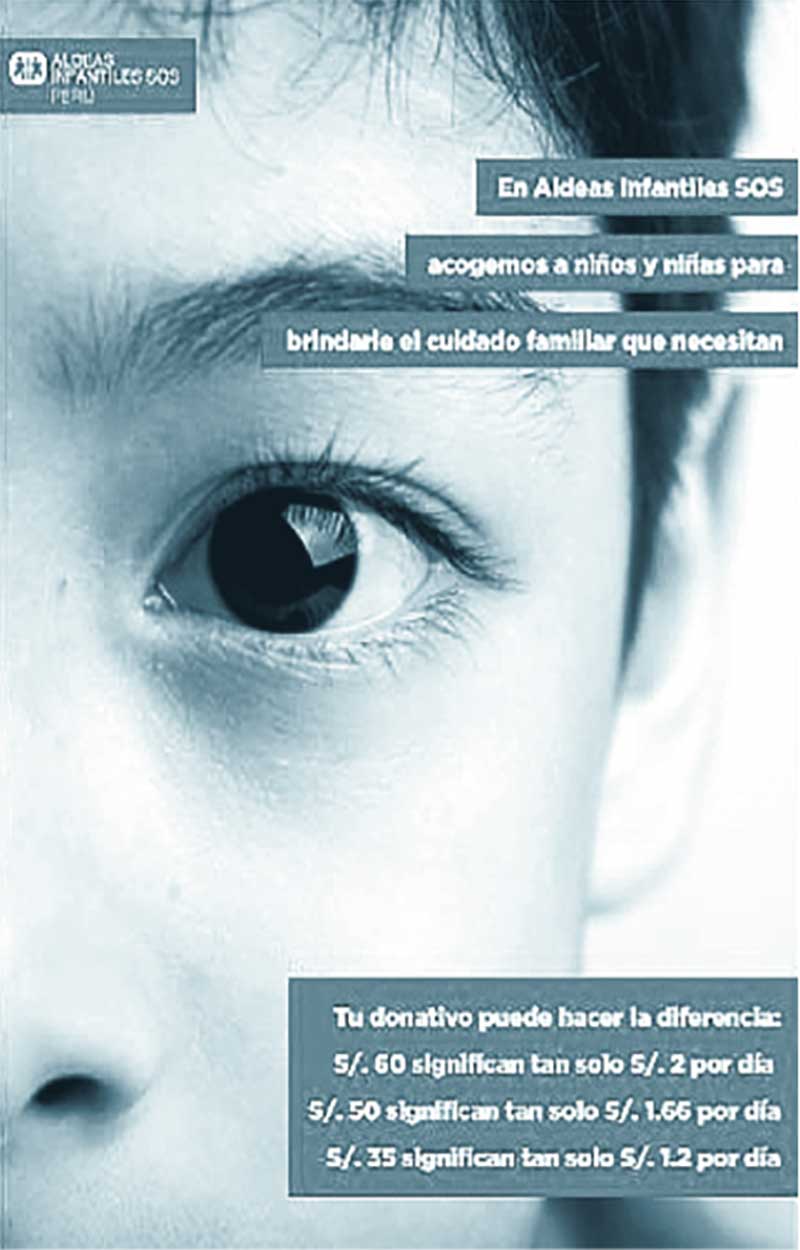
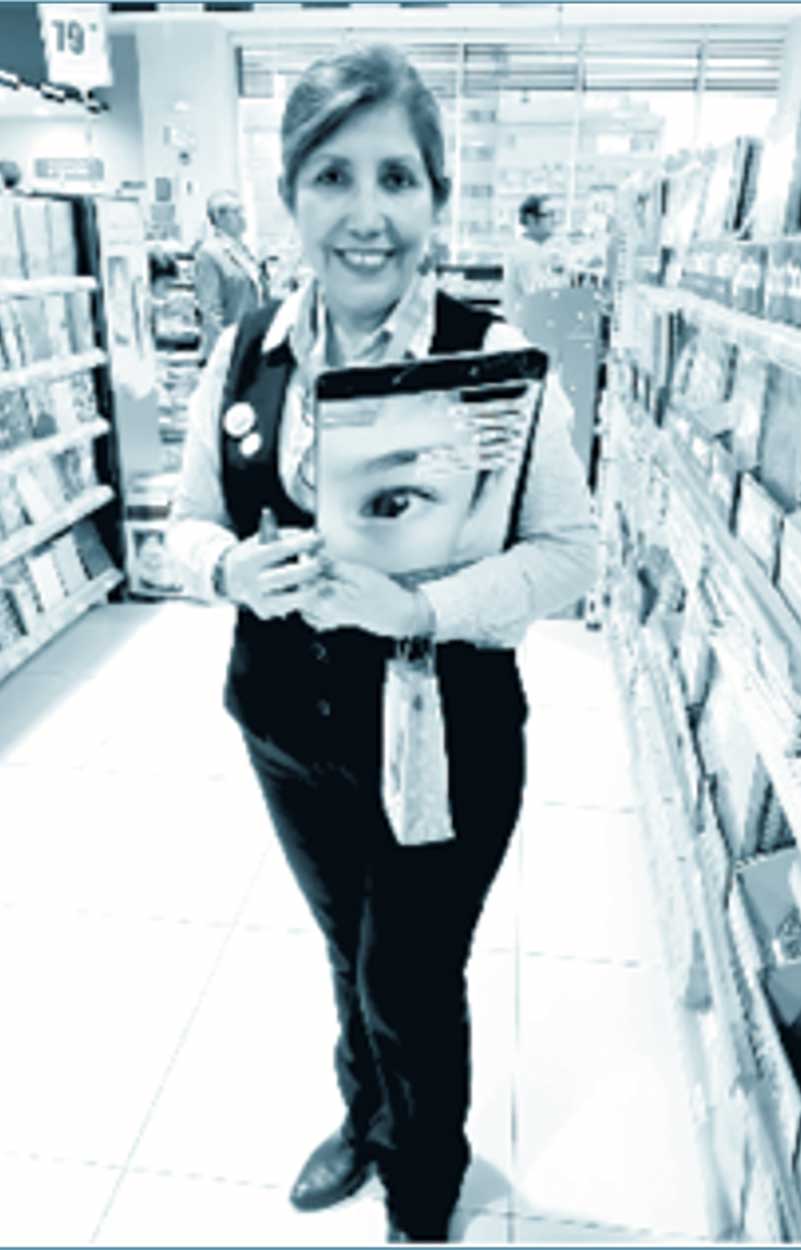
An anchor benefits from emphasis. Don’t be afraid to display an anchor prominently and repeat it in different locations and media. SOS Children’s’ Villages Face To Face team approached donors in Lima supermarkets. They had a prominent anchor — a target monthly gift — displayed on the acquisition collateral — a folder — and mentioned the anchor verbally. Result? 41% increase in gift level. (See below for more on this case study.)

Extra Web Content

Anchoring with direct dialogue (Peru 2020)

Change For Better book coverThe clever Marcelo Iniarra and his team carried out a number of experiments face to face and online for SOS Children Villages in South  America. You can read about these experiments in the book Change for Better. The actual photos below show the difference between the anchored and un-anchored collateral. Note also the image of the child with a very large pupil. The purpose of this is to help stimulate Oxytocin, the empathy drug. See DOSE (card 24).

Consider

Donor Deck Card - Priming - Icon
Our choices are influenced by conscious or unconscious memories of stimuli we’ve recently experienced. These can be sounds, smells, or sights.
Donor Deck Card - Confirmation Bias - Icon
We tend to look for, or more easily accept, information or opinions that support our existing choices and opinions and ignore what doesn’t.
Donor Deck Card - Availability Bias - Icon
Our decisions and opinions are heavily influenced by the information, experiences and events that come to mind more readily. These are often those most repeated.