Donor Deck Card - Analysis Paralysis - Icon

Analysis Paralysis

Description

Our ability to make good decisions reduces with the number of choices offered. Too many choices may mean we may opt out of choosing altogether.

Implication

Individuals can feel overwhelmed by too much information — causing decision fatigue. Too many choices leads to brain freeze or, if a choice is made, regret. Supporters often say they want as many choices as possible. Don’t fall for this. Focus on your USP to avoid prospects making cognitively heavy choices when comparing your agency and other charities.

Case Studies

Oxfam

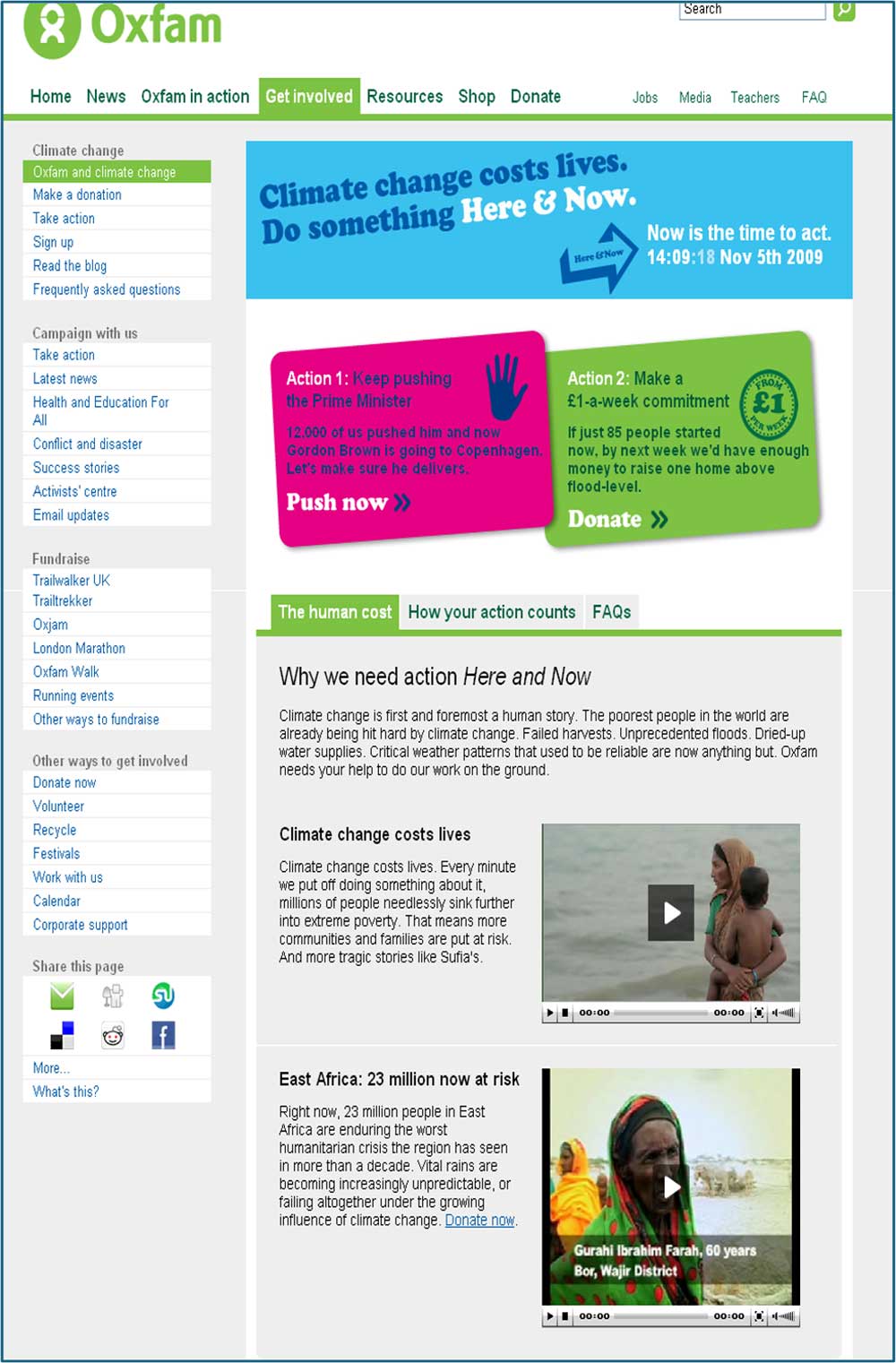
Oxfam ran an online environmental campaign. They emailed three randomised supporter clusters. The clusters were asked to undertake two, six or twelve environmental actions. (In focus groups, staff and prospects agreed the x12 option would do best since it offered most choice.) However, twice as many people responded to the x2 option. It required less processing. See extra content below.

How To Apply

Reduce the number of choices

Three is a good number as this links to the Goldilocks Effect. Doctors Without Borders (DWB) reduced their gift string from five to three choices, easing the cognitive load. Grouping choices into categories — location, impact, target beneficiaries etc. can ease a decision. See extra content below.

Avoid too much information

Many situations are complex. But too much information is unhelpful. The Make Poverty History campaign’s simple demand was to eliminate the debt of developing nations — not to promote a discussion on the iniquity of global economic imbalances. Context is also important. What else are prospects doing when choosing to support you – watching TV news, making their way home, shopping?

Guide people visually to a choice

Could your online ‘donate’ button have a heart or helping hand beside the word to suggest an emotionally positive choice? In the DWB ask string above the target donation ($250) was highlighted in the same colour as the DWB logo and placed in the middle of the three choices.

Extra Web Content

Oxfam reduces brain burden

Below are the results of the test run by the brilliant The Kite Factory agency. Oxfam supporters we randomly sent three one of three emails inviting to take climate action. They were presented with 2, 6 or 12 options of how to respond. The result below shows the the option with just 2 responses, as indicated by the top blue line, delivered the most action. Note that beforehand in market research most supporters said they would prefer to have more choices. People often don’t know what they want.

Oxfam "Brain Burden" graph of choice results.

Doctors Without Borders meets Goldilocks

Doctors without Borders focused on reducing the number of gift choices they offered to supporters, from six gifts to three. You will notice that they also highlighted the middle option using the Goldilocks Effect (card 40) and Normalcy (card 52) heuristics, it with the highlighted ‘on average…’.

Analysis Paralysis —Doctors Without Borders — Desktop and Mobile Screens

Consider

Donor Deck Card - Salience - Icon
We pay more attention to and remember pieces of information or ideas that are presented in ways that are unusual and relevant to us.
Donor Deck Card - Reactance - Icon
We react negatively to a suggested action — even if it’s to our benefit — if we feel it limits our freedom or we’re being pushed into a decision.
Donor Deck Card - Certainty Compromise - Icon
We value a definite concrete outcome over uncertainty, even if we have to make significant compromises to secure it.