Description

We underestimate the influence mood, lived experience, and context has on our ability to understand and appreciate the situation of others.

Implication

People may have difficulty understanding how they or others will feel in situations, especially those removed in time or space. Find creative ways to share what life is like for a refugee, a homeless individual, or an artist unable to create.

Case Studies

Help The Aged

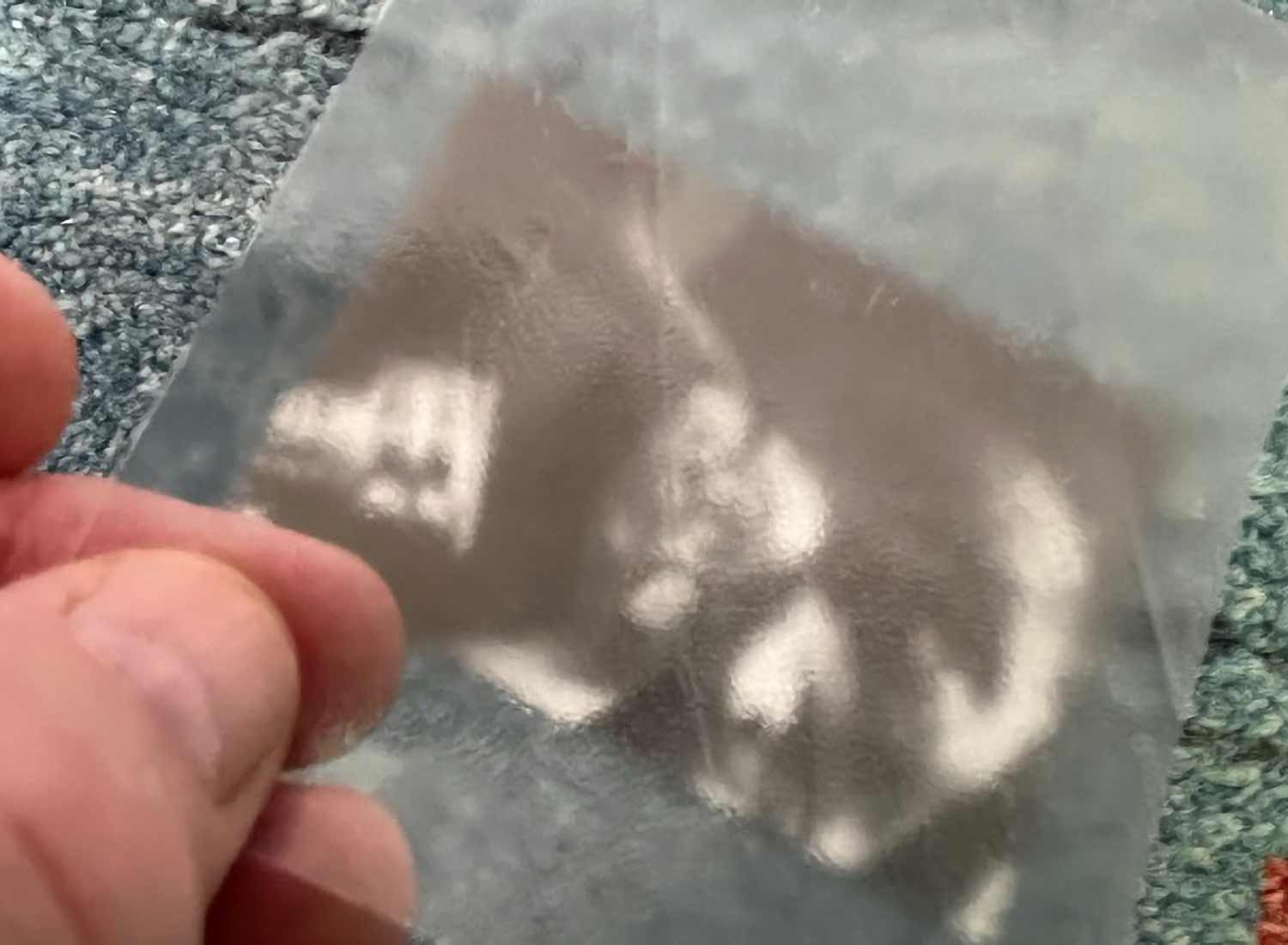
Help The Aged – formerly Age UK – produced a DM pack including photos of an Indian family. The photos belonged to an elderly grandmother with cataracts. Also included was a square of frosted plastic. The plastic, used to view the photos, recreated how it felt to be that grandmother unable to see her family clearly. The proposition? Pay for the operation and transform her life. See below for more insight.

How To Apply

Invite connection

WaterAid created a campaign asking “what’s it like to be a girl?”. They shared posts about the challenges girls faced living in a developing nation — challenges such as sexual assault in fields while defecating, dealing with periods without a toilet, etc. They invited girls and women globally to share and compare their experiences. The campaign raised £5M in 12 weeks from 41K new donors.

Recreate the experience

UNHCR set up a ‘refugee processing facility’ at the Davos economic forum. They invited businesspeople and senior politicians to roleplay refugees being processed in an uncomfortable, sometimes rough way by actors, pretending to be guards.

Re-create the perspective

DirectMIND tested two photos of a child in an incubator as part of a neonatal care appeal. One from ‘above’ was the view a nurse might have while checking on the child. The other photo was taken crouching down, looking close up to the child — an anxious parent’s view. This second image produced more gifts.

Extra Web Content

Making it real: Help the Aged

This direct mail pack is legendary in the UK fundraising market. It was designed to help people understand the impact of cataracts on an elderly person in India. It was launched in 1988 so some of the presentation/communication is reflective of attitudes and approaches at the time. In this context we are primarily interested in its effectiveness in terms of creating empathy. Notice also the key idea of donating ‘the gift of sight’ rather than ‘pay for an operation.’

The pack consisted of:

  • A letter explaining the challenges faced by elderly people with cataracts.
  • A series of photos.
  • A small piece of ‘frosted’ plastic.
  • A response device- a donation pledge and envelope.

When you received the received the pack it encouraged you to look at the photographs enclosed through the frosted plastic and then remove it. This had the effect of showing you what it was like to see the world through cataracts, and also how easy it was to remove that barrier. Donors were asked to pay for an operation for an individual identified as an elderly person keen to see their grandchildren and to be able to walk in the street safely.

This is a really good example of creativity applied to the problem of how to enable someone to understand a situation they have nor experienced. It was an imaginative and powerful solution. For almost 10 years this remained the ‘banker’ — the highest performing-direct mail pack for Help The Aged. It was copied in many places throughout the world.

The pack was written and created by Chris Stoddard when at the Direct Results agency. The idea for the pack came about when he was taking the opaque plastic lid off a takeaway cup of coffee on the train from Bristol to London. He said, “Seeing the palm of my hand through the opaque plastic made me think what it might be like to have cataracts.”

Empathy Gap — Detail shots of the Help The Aged direct mail campaign about cataracts from 1988.

A decision science cheat sheet on empathy

Empathy drives giving. Behavioural approaches show us how to evoke it in ways that feel human Below are seven key techniques.

1. Tell one person’s story

Identifiable Victim Effect

People give more when they connect with one real person. Use names, photos, and vivid details. Stats ≠ emotion.

2. Show “people like me”

Similarity Bias

We empathize more with those who feel familiar. Use stories, language, or characters your audience can relate to.

3. Show emotion, don’t just describe it

Emotional Contagion

Seeing someone cry or smile triggers mirror emotions. Use video or images showing real feelings, not stock smiles.

4. Invite perspective-taking

An active imagination increases empathy

“What if this were you?” makes it personal. Use prompts like “Imagine if…” or “Picture yourself…”

5. Use social norms for good

We Follow the Crowd

“Others like you are giving” makes it feel normal (and expected). Highlight peer actions: “300 students gave last week…”

6. Reinforce their identity

Self-consistency

People act in line with how they see themselves. Say things like “You’re the kind of person who…”

7. Show it’s solvable

Efficacy builds empathy

Hopeless = helpless. Hopeful = helpful. Show tangible impact: “Your £10 gives a child a warm meal tonight.”

Consider

Donor Deck Card - Identifiable Victim - Icon
Our desire for agency and the need to avoid emotional overload means we identify more strongly with the one person we believe we can help than with many.
Donor Deck Card - DOSE - Icon
We enjoy activities or messages that stimulate key neurotransmitters: Dopamin, Oxytocin, Serotonin and Endorphins. These alter our mood or response.
Donor Deck Card - Bystander Effect - Icon
We may not act if we believe someone else is tackling an issue or is more competent to address it.