We find stories and the people who tell them more convincing, authentic, and memorable. Stories should be simple, memorable and stimulate emotion.
How we respond to a message is strongly influenced by who delivers it and how we feel about them.
Messengers can be social media influencers, environmental experts, or peers. We’re most likely to agree with messengers we like. Choosing the best messenger for your appeal is vital. The choice of messenger can vary depending on context, who the audience is, and the message itself.
Handlebards is a small UK touring theatre company. They tested the same emailed video appeal to audience segments with different messengers: a famous TV/film actor, a touring show performer, a donor, and a child from the audience. The famous actor delivered highest results. Research suggested his availability (he was in a very popular TV show) helped.
The obvious example may not prove to be most effective. In the Handlebards case fundraising experts thought the donor would perform best, or the child. Always test your theory.
Prince Harry was the first member of the UK Royal Family to have an HIV test in 2016, shown live on TV. This drove an increase of 500% in website visits for Terrence Higgins Trust to find out about tests. Current attitudes towards Prince Harry might produce a less positive result.
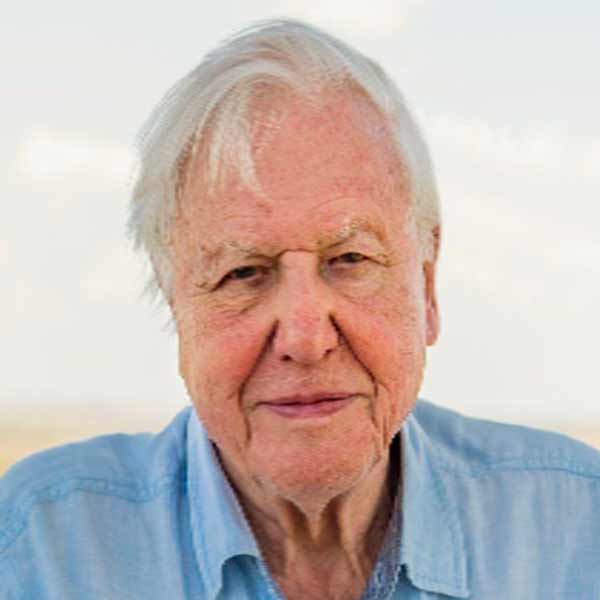
Edinburgh Zoo tested five messengers for its bequest programme: a famous naturalist, the CEO, a major donor, an animal, and a keeper. The ‘winner’ was the keeper, seen as a direct care giver able to offer agency to supporters. The animal (a penguin), for which the Zoo is very famous, scored highest in relatability, but it was ‘ruled out’ to avoid anthropomorphism.
Behavioural science shows that who communicates a message is often just as important — or more — than what the message is. We are not rational robots weighing only facts; we’re social creatures constantly scanning for social cues, trust signals, and authority markers.
This is known as the Messenger effect, and it’s rooted in ideas like:
Consider:
Different messengers activate different motivations:
Smart fundraisers use the right messenger for the right moment.
When an ask comes from someone the donor knows — a relationship manager, friend, or respected figure — it dramatically increases response rates. It’s why:
A donor who hears from the organisation in multiple voices (e.g. the artistic director, a donor and a volunteer) builds layered trust. They’re reassured it’s not just one person’s passion project.
In behavioural fundraising “who says it” can matter more than “what they say.” Choose your messengers with the same care as you choose your message.
When working on the Edinburgh Zoo (RZSS) legacy/bequest programme we tested five different possible messengers as displayed below.
Can you guess who played strongest with the target market (primarily older women who had visited the zoo)? And why?
Answer below.


Sure, many of you guessed…